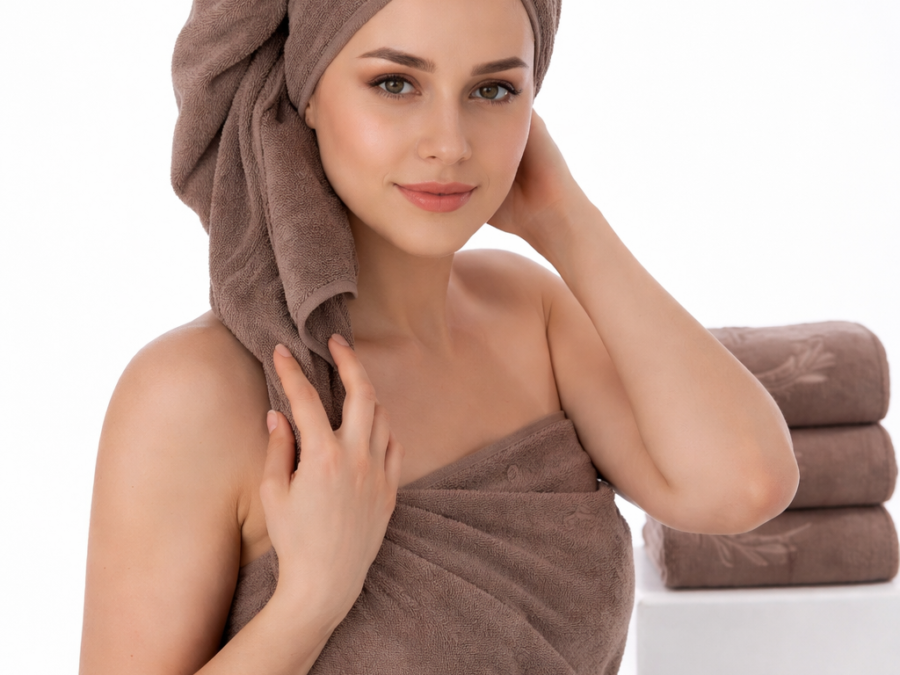
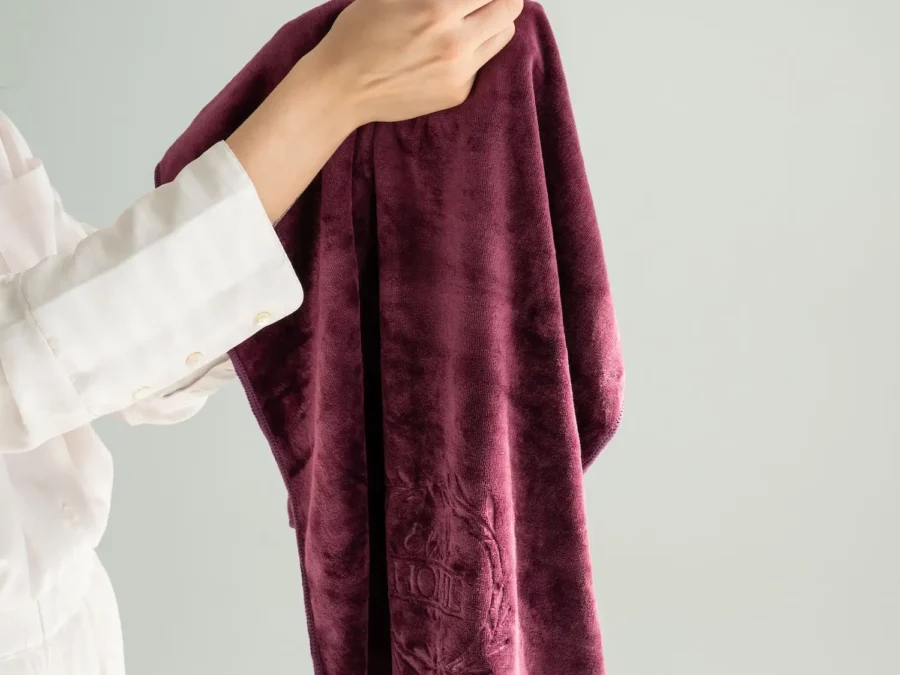
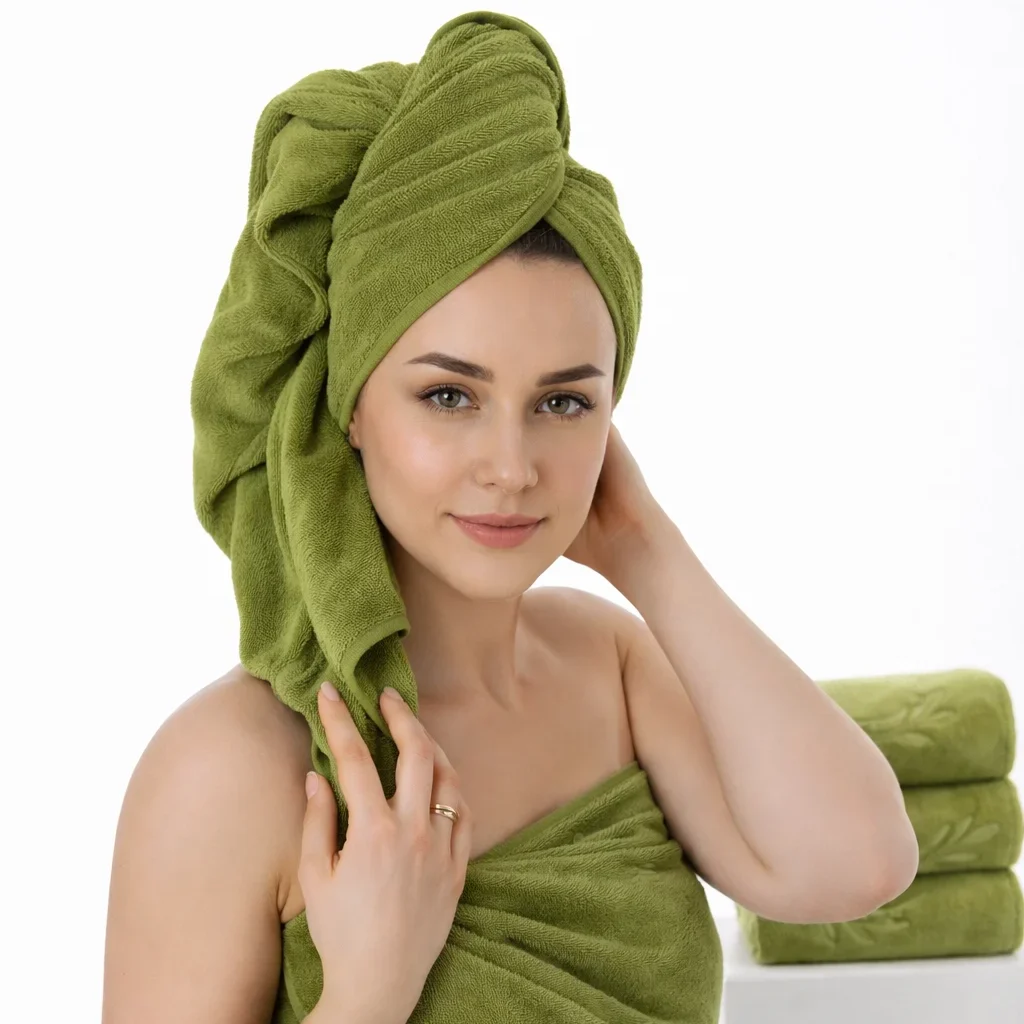
Elia’s HOME – High-Quality Microfiber Towels for Your Body, Hair & Home

  • Quickly Absorbs Moisture
  • Dries Quickly
  • Stays Soft and Gentle Even After Drying

Best Sellers
Why Choose Elia’s HOME Microfiber Towels?

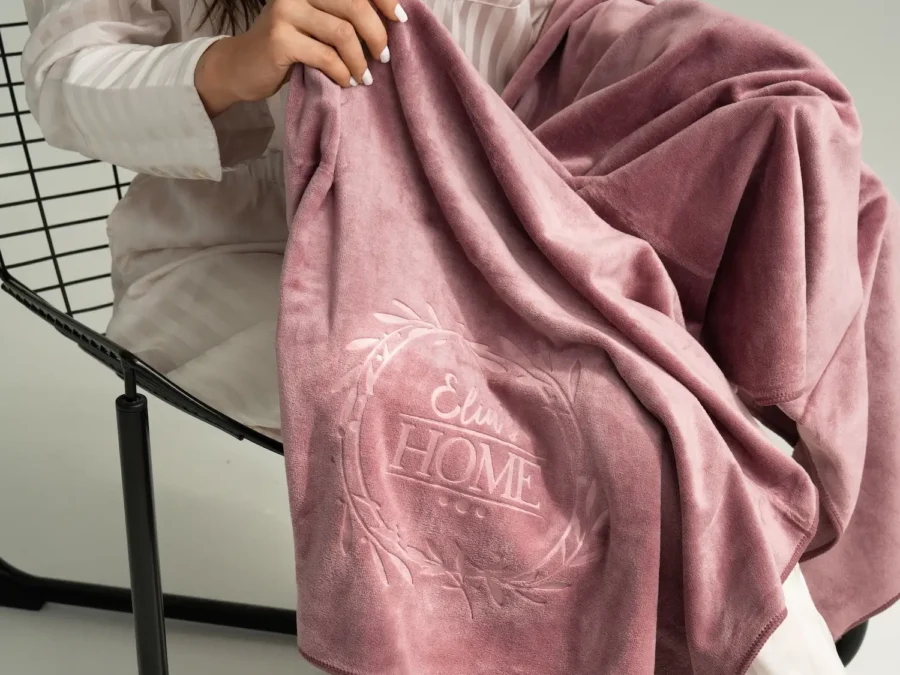
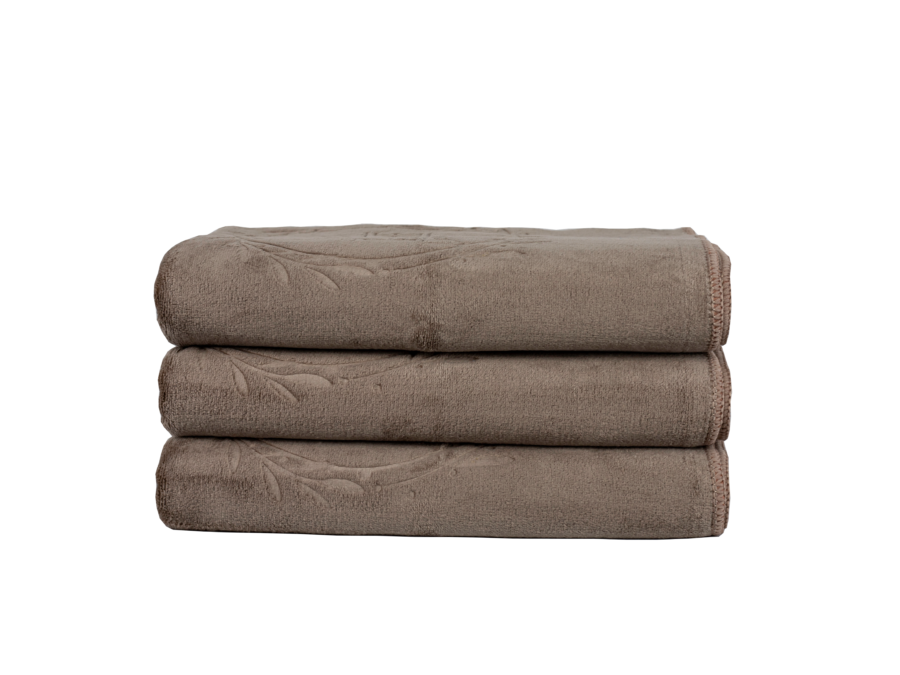
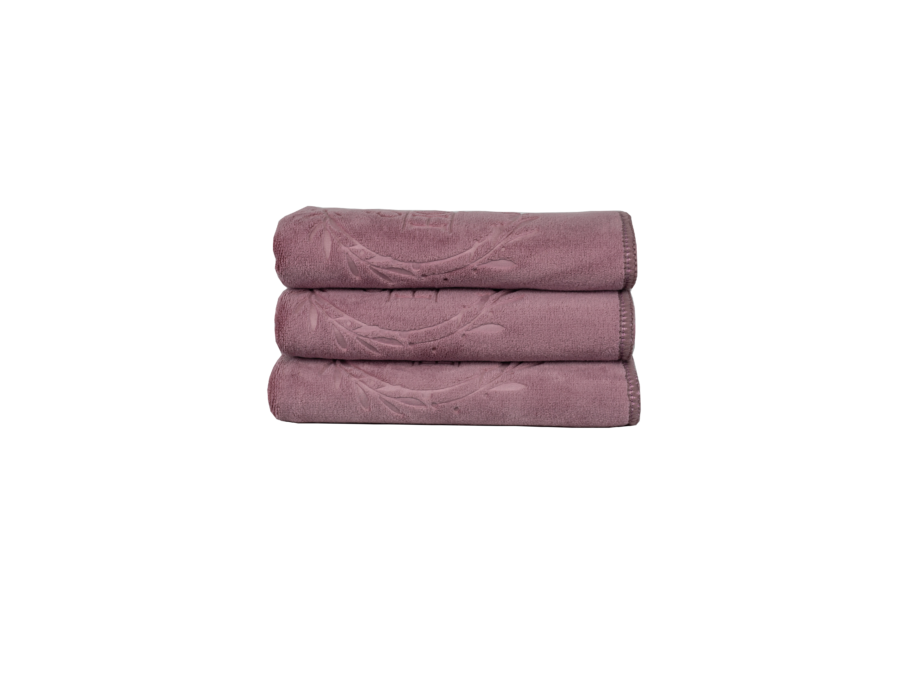
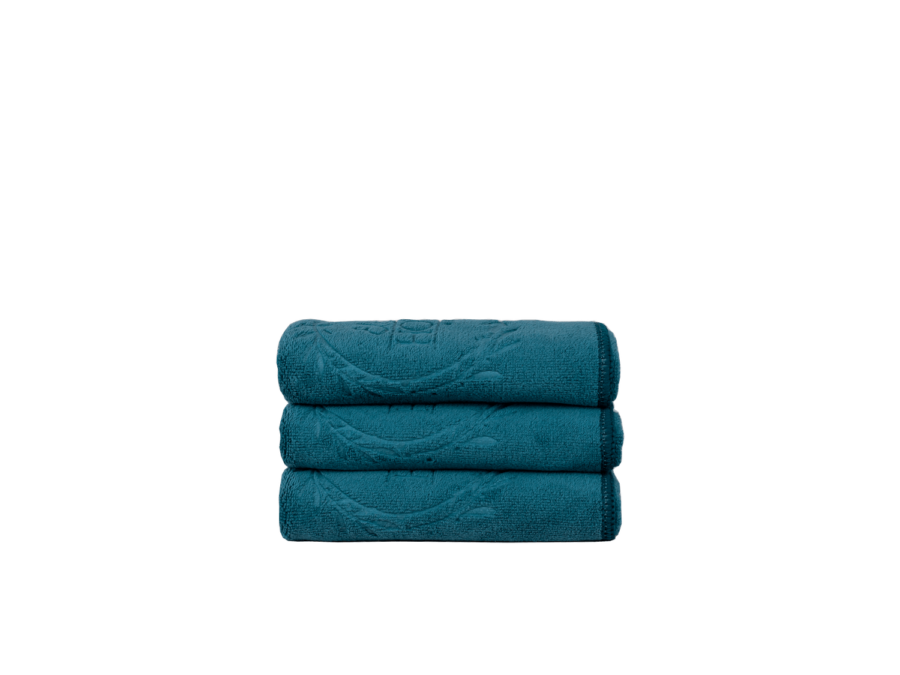
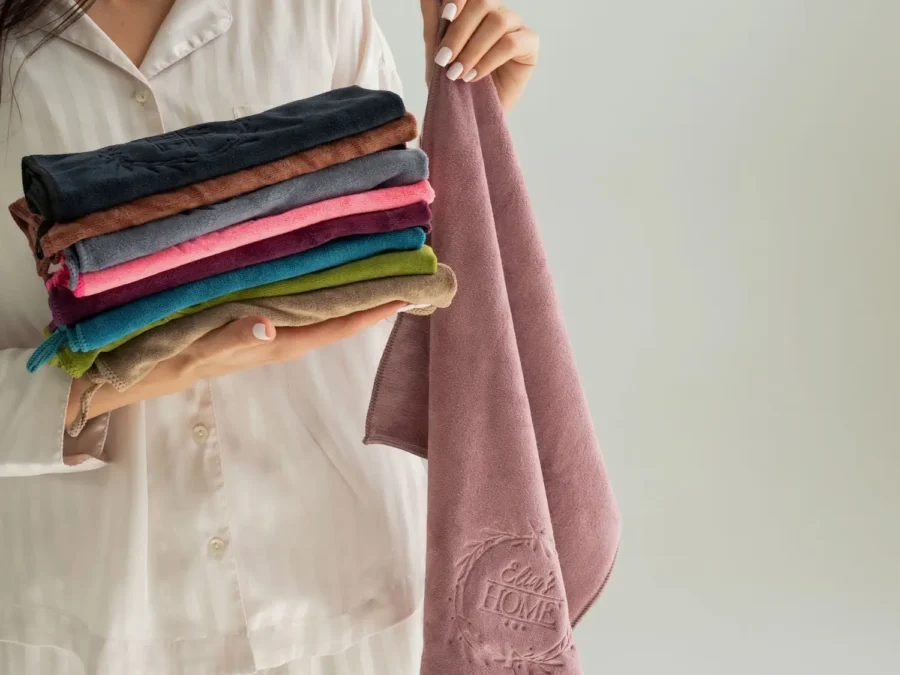
Elia’s HOME microfiber towels are soft, plush, and practical for everyday use. Made from a dense fabric with a weight of at least 400 g/m², they offer excellent absorbency and dry quickly. Our collection includes microfiber towels for the body, hair, and kitchen, as well as SPA and beach towels and towel sets available in a variety of colours.

Home
Home

OUR VALUES

Our products are designed with durability, high quality, and affordability in mind. We want our customers to enjoy the products we create and use them for many years to come.

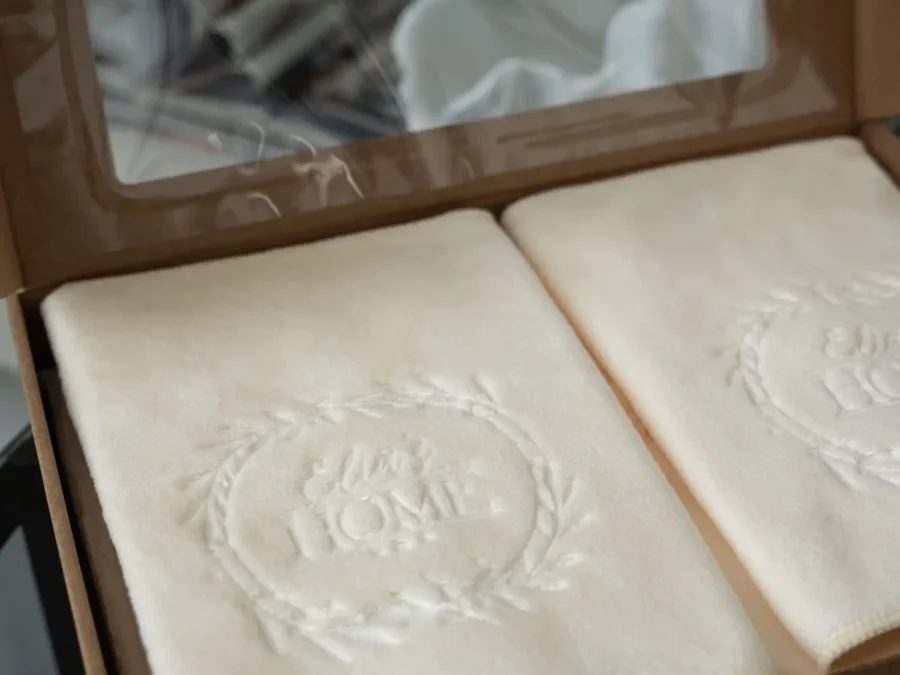
We know that Elia’s HOME towels make a wonderful gift for any occasion. That’s why we’ve thought of every detail, including elegant gift packaging designed to present our towels beautifully. We are always happy to communicate with our customers and find the best solution for each individual need. Above all, customer satisfaction is our priority.

We know that Elia’s HOME towels make a wonderful gift for any occasion. That’s why we’ve thought of every detail, including elegant gift packaging designed to present our towels beautifully. We are always happy to communicate with our customers and find the best solution for each individual need. Above all, customer satisfaction is our priority.

The Origins of Microfiber Fabric

The truth is that no one can say with certainty exactly where or when microfiber fabric was first developed.

Some sources trace its origins to developments in Japan in the 1970s, while others associate it with England, where microfiber fabrics began to be used around 1986. What is known, however, is that microfiber gained wider commercial recognition and began to be more actively promoted in Sweden around 1990. From there, thanks to its unique properties, it quickly gained popularity throughout Europe.

Microfiber is an extremely fine fibre, approximately 100 times thinner than a human hair. Individual fibres of this thickness are virtually invisible to the naked eye. Microfiber is made from well-known synthetic materials such as polyester and polyamide. Despite being synthetic, it is highly absorbent, drawing in and retaining moisture much like a sponge. Just as quickly as the fabric absorbs moisture, it also releases it, allowing it to dry remarkably fast.

The exact origins of microfiber fabric are difficult to pinpoint, as there is no single definitive account of where or when it was first developed. Some sources trace its beginnings to innovations in Japan in the 1970s, while others associate its early use with England around 1986. What is known, however, is that microfiber began to gain wider commercial recognition in Sweden around 1990. Thanks to its unique properties, it quickly grew in popularity and spread throughout Europe.

Microfiber is an extremely fine fibre, approximately 100 times thinner than a human hair. Individual fibres of this thickness are virtually invisible to the naked eye. Microfiber is made from well-known synthetic materials such as polyester and polyamide. Despite being synthetic, it is highly absorbent, drawing in and retaining moisture much like a sponge. Just as quickly as the fabric absorbs moisture, it also releases it, allowing it to dry remarkably fast.

Home
Home

Uses of Microfiber

One of the earliest ideas was to use microfiber fabric for swimwear, as the material appeared strong and flexible. However, this application proved unsuccessful because the fabric absorbed water very quickly, became heavy, and would simply sag and slip away from the body.

The industry had to explore new ways to use microfiber. It was not until around a decade later that researchers adapted the fabric for cleaning applications, developing highly effective cleaning cloths capable of cleaning surfaces thoroughly even without the use of additional chemical cleaning products.

This synthetic fabric can also be used in clothing and can closely resemble genuine suede. Today, the market offers a wide variety of microfiber cloths suitable for both everyday household use and professional or industrial cleaning applications.
Microfiber has also become a popular material for towels, as modern manufacturing techniques have made it possible to create towels that are exceptionally soft, plush, and absorbent. Many people who discover the comfort and practicality of microfiber towels find them an appealing alternative to traditional cotton or bamboo towels.

The industry had to explore new ways to use microfiber. It was not until around a decade later that researchers adapted the fabric for cleaning applications, developing highly effective cleaning cloths capable of cleaning surfaces thoroughly even without the use of additional chemical cleaning products.

This synthetic fabric can also be used in clothing and can closely resemble genuine suede. Today, the market offers a wide variety of microfiber cloths suitable for both everyday household use and professional or industrial cleaning applications.
Microfiber has also become a popular material for towels, as modern manufacturing techniques have made it possible to create towels that are exceptionally soft, plush, and absorbent. Many people who discover the comfort and practicality of microfiber towels find them an appealing alternative to traditional cotton or bamboo towels.

Frequently Asked Questions

Microfiber towels are highly absorbent and exceptionally effective at drawing moisture away from the skin. Customers who try them for the first time are often pleasantly surprised by their unique qualities. They are durable, lint-free, and less likely to retain unpleasant odours.
Premium-quality towels can often be expensive, making them less accessible to some customers. Microfiber towels, however, offer an excellent balance of quality, durability, and affordability. Customers especially appreciate their exceptional softness and their ability to maintain their performance and properties over time.

Like most materials, microfiber has both advantages and disadvantages. As a synthetic fabric made primarily from polyester and polyamide, its production relies on plastic-based materials and therefore has an environmental impact.
On the other hand, microfiber towels are highly durable and can be used for a long time when properly cared for, reducing the need for frequent replacement and helping to limit unnecessary consumption. Ultimately, the environmental impact depends greatly on how a product is used and cared for. Choosing durable products, using them for as long as possible, and consuming responsibly can help reduce their overall environmental footprint.

Cotton towels are a familiar and traditional choice for many people. They are available across a wide range of prices, from inexpensive everyday options to premium products, with quality varying accordingly.
Cotton fibres can retain moisture for longer, which means that a damp towel left in a poorly ventilated room may eventually develop an unpleasant odour. Microfiber, by contrast, has a fine fibre structure that allows it to absorb moisture efficiently while also drying much faster. Because it retains moisture for a shorter period of time, there is less opportunity for the damp conditions associated with unpleasant odours to develop.
For this reason, microfiber towels can stay fresher between washes, particularly when they are allowed to dry properly after each use.

Although microfiber is less likely to retain unpleasant odours, towels are personal hygiene items and should therefore be washed regularly. We recommend washing Elia’s HOME microfiber towels at a low temperature of approximately 30–40°C, together with items of similar colours.
Avoid using fabric softeners, as they can coat the fine microfiber structure and gradually reduce the towel’s absorbency.
Microfiber towels can be tumble-dried or simply hung to air-dry. Whichever method you choose, the result will be equally pleasing – the towel will remain soft and plush after drying.

Luxury is often associated with natural materials, exclusivity, and uniqueness. Does Elia’s HOME aim to offer a sense of luxury? Absolutely – but at an accessible price.
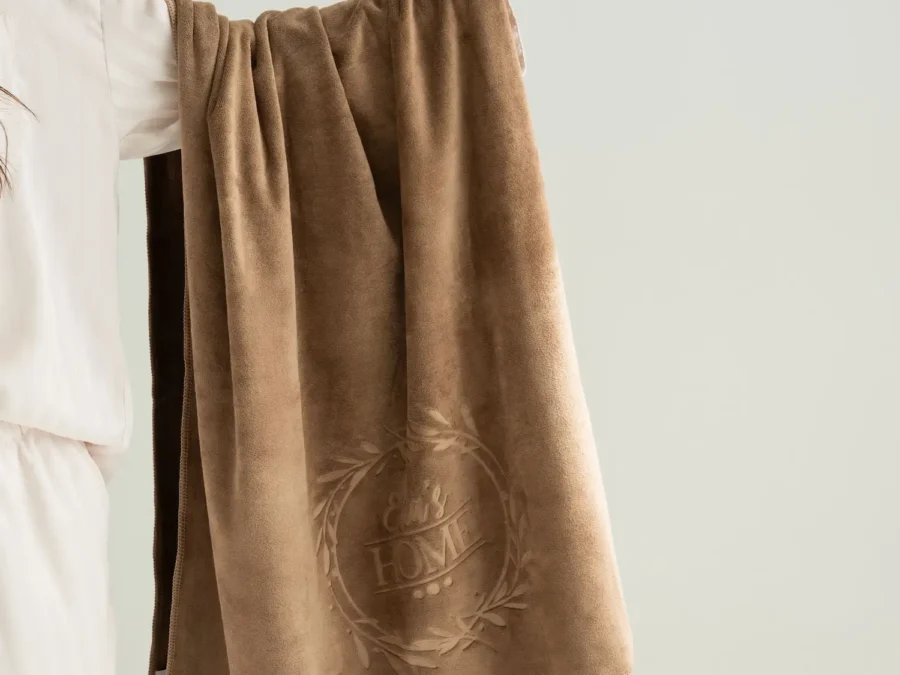
Our towels have a truly luxurious look and feel, primarily thanks to their soft, plush texture. Carefully selected, high-quality microfiber gives them an elegant appearance and exceptional comfort. With a fabric weight of at least 400 g/m², Elia’s HOME towels feel wonderfully soft to the touch, are designed to last, and maintain their distinctive qualities over time.

Some customers associate microfiber towels with cloths used for cleaning surfaces or cars, and this misconception can make them hesitant to try microfiber towels for personal use. Elia’s HOME towels, however, are exceptionally soft, gentle, and pleasant to the touch.
There is no need to rub the skin. Simply press the towel gently against the body, and the microfiber quickly absorbs moisture, leaving the skin dry and ready for your favourite skincare products.
Thanks to their soft texture, Elia’s HOME microfiber towels are suitable for sensitive and delicate skin and can also be a gentle choice for babies.

Every customer can find their own favourite way to use an Elia’s HOME microfiber towel. We have designed each towel size with a particular purpose in mind.
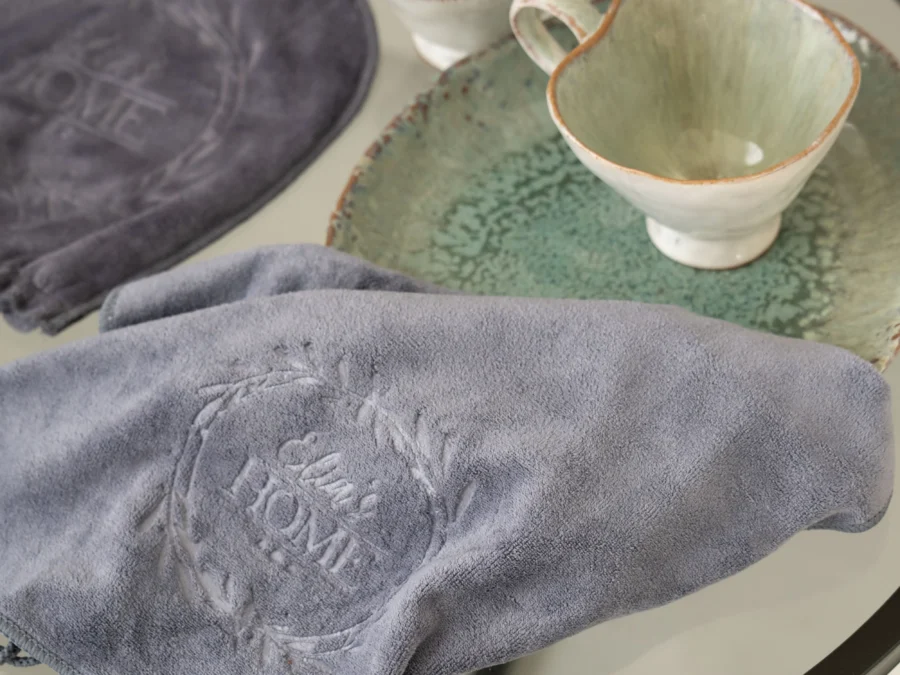
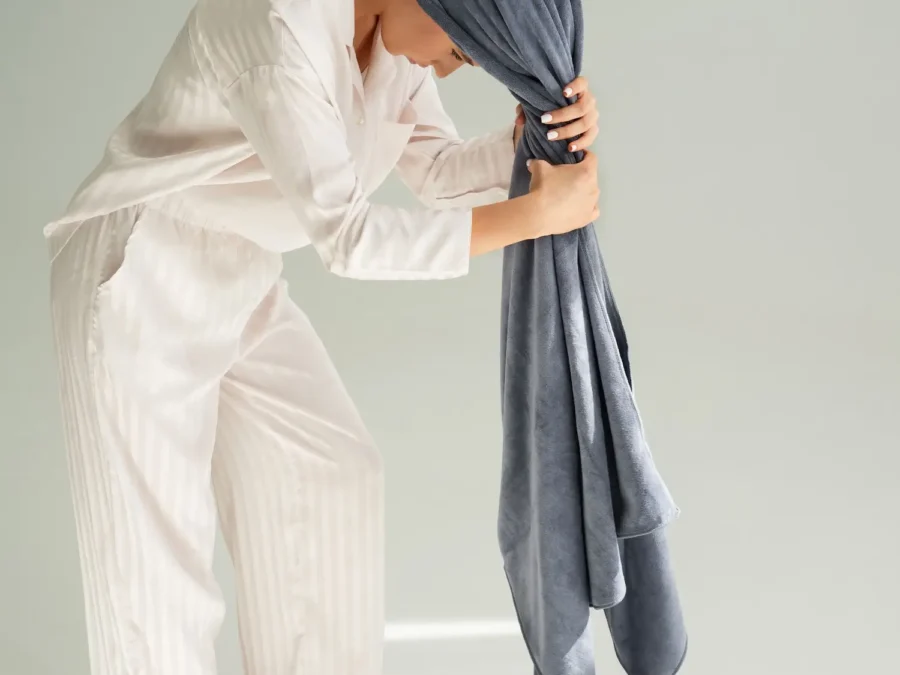
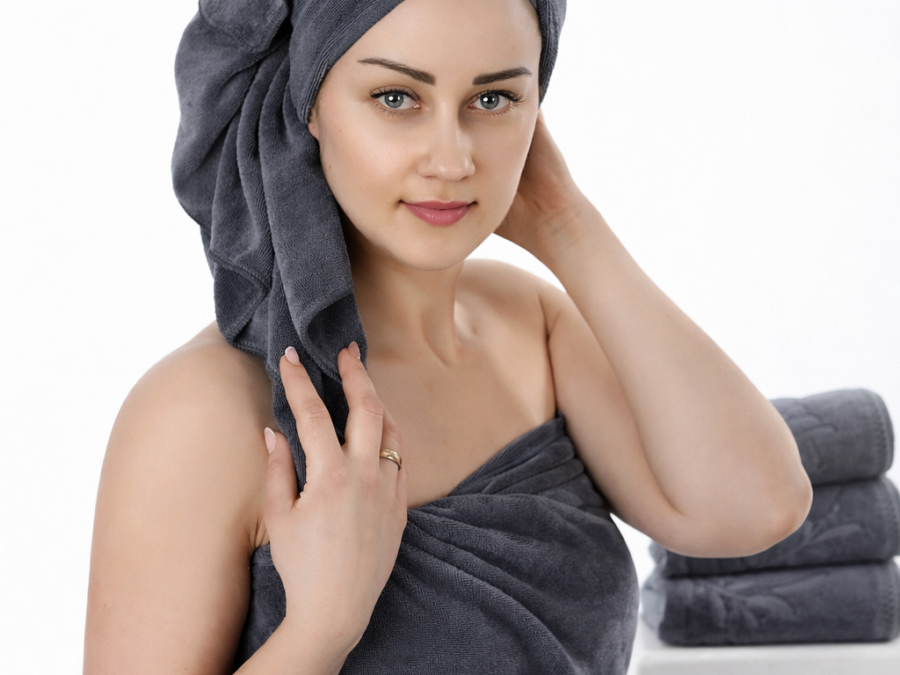
Our smaller towels are perfect for the kitchen and can also be used for drying your hands or face. Medium-sized towels are ideal for the face or for drying freshly washed hair. Thanks to the excellent absorbency of microfiber, hair dries more quickly and may require less time with a hairdryer.

Our large and extra-large towels are designed for the body. They are perfect for use in your bathroom or sauna and can also be used as a comfortable towel to lie on at the beach.
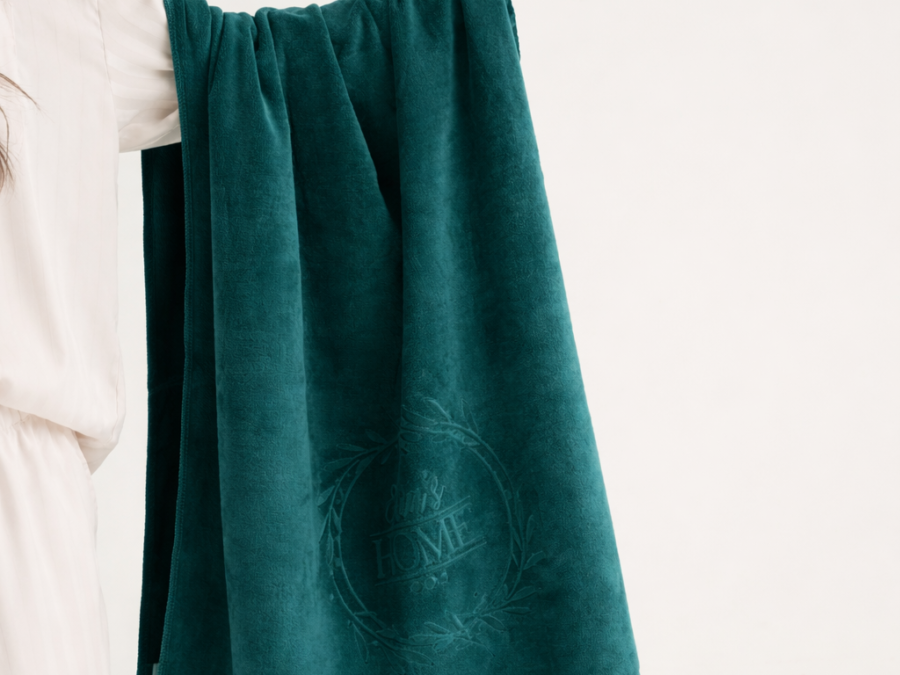
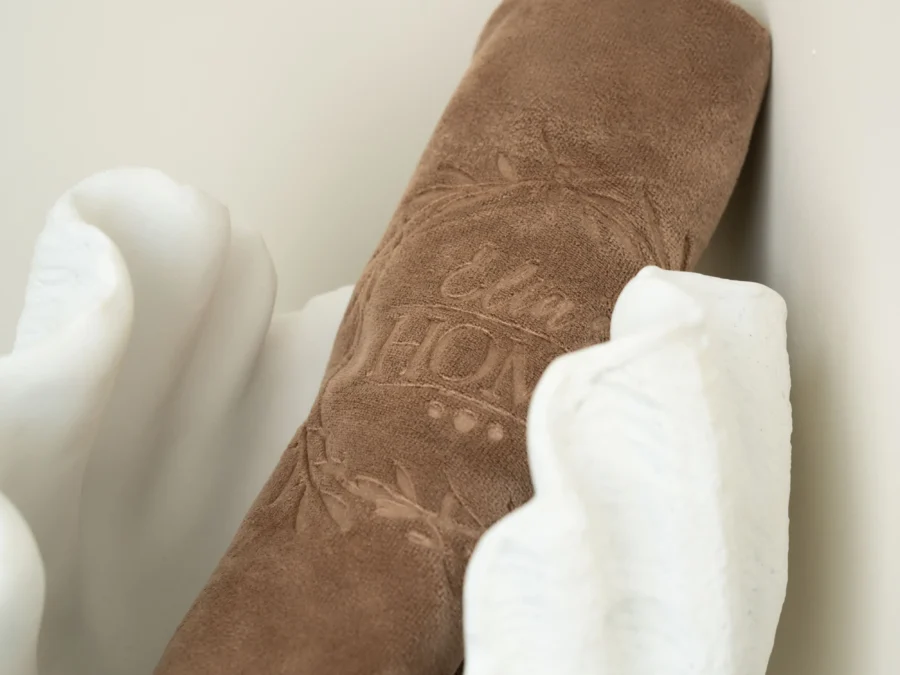
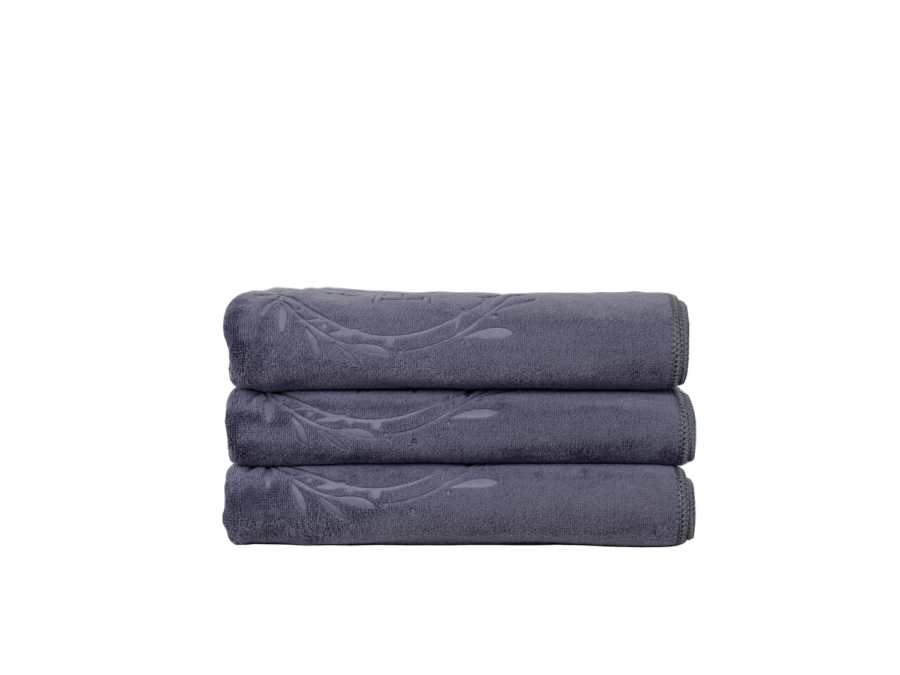
The Elia’s HOME colour palette has been carefully selected to complement both classic and modern interiors. Our customers can mix and match the colours in whichever way suits them best. Some choose a different colour for each family member, while others prefer a coordinated look and select one versatile shade that complements their home interior.

Gallery